
How to Find a Reliable Saree Manufacturer for Quality & Bulk Orders

Table of Contents

Introduction
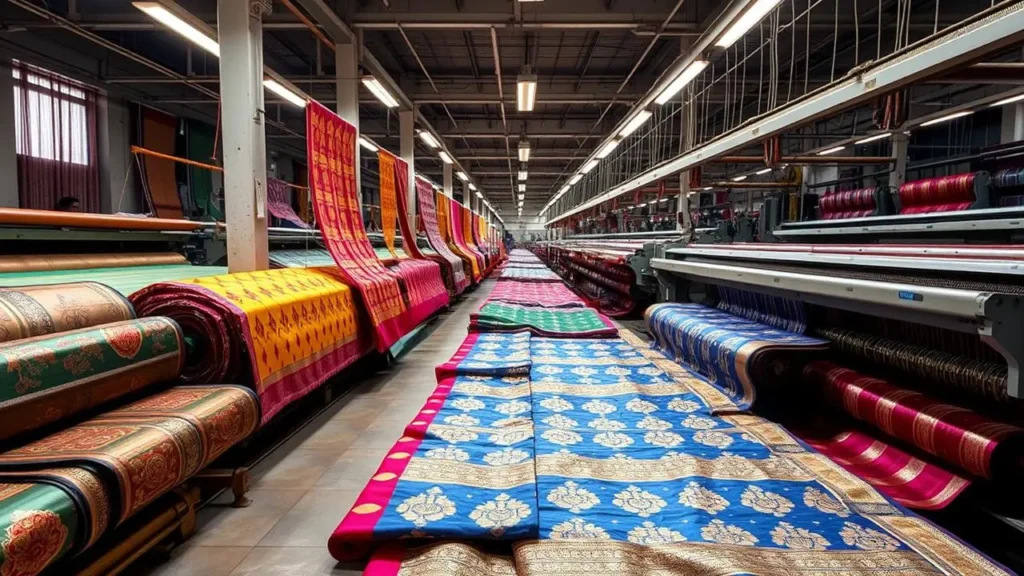
A retailer approves a beautiful sample, places a bulk order and receives sarees that look and feel slightly different from what was promised. This story is common, and it usually starts with choosing the wrong saree manufacturer for the wrong reasons. Whether you run a boutique, a reselling business or a growing fashion label, sourcing sarees in bulk is a big commitment of money and reputation. This guide explains how bulk orders actually go wrong, what to check before you commit and how to build a sourcing process that protects both quality and margins.
Saree Manufacturer (1)

Why Bulk Saree Orders Go Wrong and It's Rarely About Price

Most bulk order problems come from small gaps that stay hidden until the goods arrive. The most common one is the sample-to-bulk gap. A sample is often made with extra care from the best fabric lot, while the bulk run uses a different batch where shade, weight or finishing slips. Buyers then notice colour variation between pieces, a thinner feel, loose threads or uneven borders. Another trap is the cheapest quote. A low rate per piece often hides lighter fabric, fewer quality checks or a supplier who will not accept returns. Once you add rejections, rework and lost customer trust, the cheapest option becomes the most expensive one.

Saree Quality Starts at the Fabric Stage

A saree is only as good as the cloth it is made from, so experienced buyers judge the base fabric before they judge the finished piece. Whether you buy from a saree supplier or from a unit linked directly to a mill, the fabric decides how the final product behaves.

How Base Fabric Decides Drape, Shine and Durability

The weave, yarn quality and finish of the fabric determine how a saree falls on the body, how it catches light and how it survives repeated wear and washing. Organza gives a crisp, sheer structure, georgette offers a flowing fall and silk blends add richness. A fabric that looks good on the table can still feel stiff or fray quickly once it is draped and worn.

Fabric Tests You Can Do Before Placing an Order

You do not need a lab to check the basics. Rub the fabric between your fingers to judge the hand feel, hold it against light to check the evenness of the weave and wash a small cut piece to test colour fastness and shrinkage. A burn test on a loose thread helps you tell natural fibre from synthetic. Run these checks on both the sample and the bulk pieces.

How a Reliable Saree Manufacturer Works Judge the Process, Not the Pitch

A reliable saree manufacturer can usually explain its process clearly, from design approval and fabric purchase to cutting, finishing, packing and dispatch. Ask where quality checks happen. Good units inspect fabric when it arrives, check pieces during production and run a final check before packing, rather than relying on one inspection at the end. Consistency across batches comes from standard specifications, recorded shade cards and trained staff, not from luck. A saree manufacturing company that documents these steps is easier to hold accountable if something goes wrong, and that clarity is often a better sign of reliability than a polished sales pitch or a long client list.

Practical Ways to Verify a Saree Manufacturer

Claims are easy to make, which is why verification matters. It protects you from suppliers who present themselves as producers but only resell. Two practical checks give you most of the picture.

What to Look for on a Factory Visit

If you can visit, look at the machines, the stock of raw fabric, the quality checking table and the packing area. A genuine saree manufacturer will usually be comfortable showing these, and the working condition of the unit tells you a lot about its discipline. If travel is difficult, ask for a live video walk-through or dated photos of ongoing production.

Digital Trail Check: GST, Google Business Profile and Reviews

Confirm the GST registration, search the business name on Google and check whether the Google Business Profile has a real address, photos and genuine reviews. Be careful with sellers who operate only through WhatsApp, avoid sharing a business address or refuse to provide references from past bulk buyers. A real business leaves a consistent trail that you can verify independently.

The Real Cost of a Bulk Order: What Hides Behind the Quote

A quote is more than a per-piece rate. When you compare a wholesale saree manufacturer with a trader or a saree wholesaler, look at the full cost rather than the headline price.

MOQ, Per-Piece Pricing and Hidden Costs

Ask about the minimum order quantity, how the rate changes with volume and exactly what is included. Packing, freight, GST and rework on defective pieces can add a noticeable amount. A slightly higher rate with clear inclusions is often cheaper in practice than a low rate with extras added later.

Payment Terms and Dispute Handling

Agree on advance and balance payments in writing, and clarify what happens if the goods do not match the approved sample. A fair supplier will accept inspection on delivery and define a clear process for replacement or adjustment. Vague answers here are a warning sign.

Seasonal Planning: When to Place Festive and Wedding Orders

Demand for sarees peaks around Diwali, wedding months and regional festivals, and production capacity tightens at the same time. Orders placed late are often rushed, which is when finishing and quality checks suffer. Plan backwards from your selling date and add buffer time for sampling, production and transport. If you need a designer saree manufacturer for a festive collection, start the conversation even earlier, because custom designs need extra time for approval and sampling. Booking early also gives you better room to negotiate and a clearer view of what the supplier can realistically deliver.

From Sample to Bulk: A Safe Ordering Process, Step by Step

A structured process removes most of the risks discussed above, and a clear ordering routine helps both sides stay accountable. Once you shortlist a saree manufacturer, convert the approved sample into a written specification covering fabric, weight, shade reference, size, border and packing. Begin with a smaller pilot order to see how the supplier performs on a real production run, then scale up once the results match your expectations.

On delivery, inspect before you accept the goods:

  • Compare shade and fabric weight against the approved sample
  • Check stitching, borders and finishing on random pieces from every carton
  • Verify quantity and packing condition
  • Report any issue in writing within the agreed time
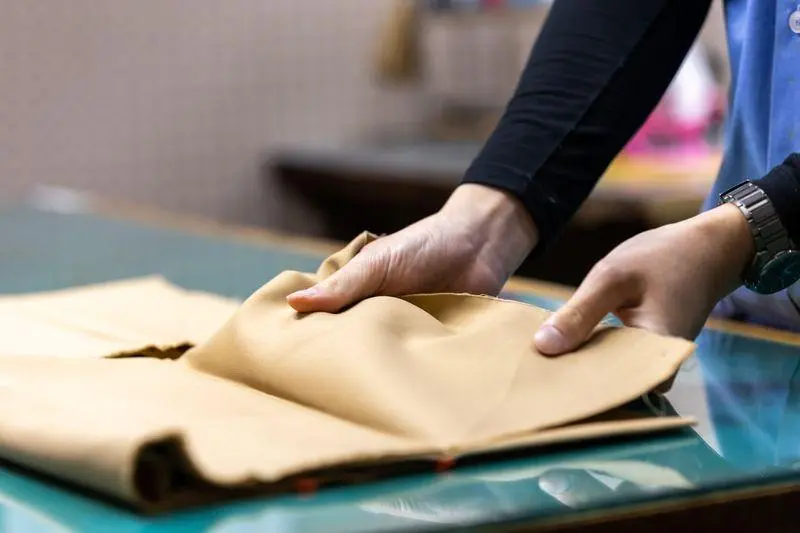
Fabric Tests Before Bulk Order

Why Sourcing from Surat and Gujarat's Textile Hubs Helps

Surat and the wider Gujarat belt have one of India’s strongest textile ecosystems, where fabric, embroidery, dyeing and finishing units operate close to each other. For buyers, this proximity means shorter lead times, easier sampling and more room for customisation. It also makes it easier to compare options in person. When you evaluate a saree manufacturer in this region, look for one with solid fabric sourcing relationships and transparent communication, because the cluster is competitive and quality varies widely between units. Speaking with other retailers who buy from the same hub is a simple way to cross-check your shortlist.

Conclusion

Finding a reliable saree manufacturer is less about luck and more about checking the right things in the right order. Start with the fabric, study how the unit works, verify its credibility, understand the full cost, plan around the season and move from sample to bulk in controlled steps. A saree supplier that welcomes these checks is usually one that stands behind its work. If you need quality fabric support for your saree and dupatta requirements, you can connect with Sundersizers to discuss your needs.

Scroll to Top