
Table of Contents
Introduction
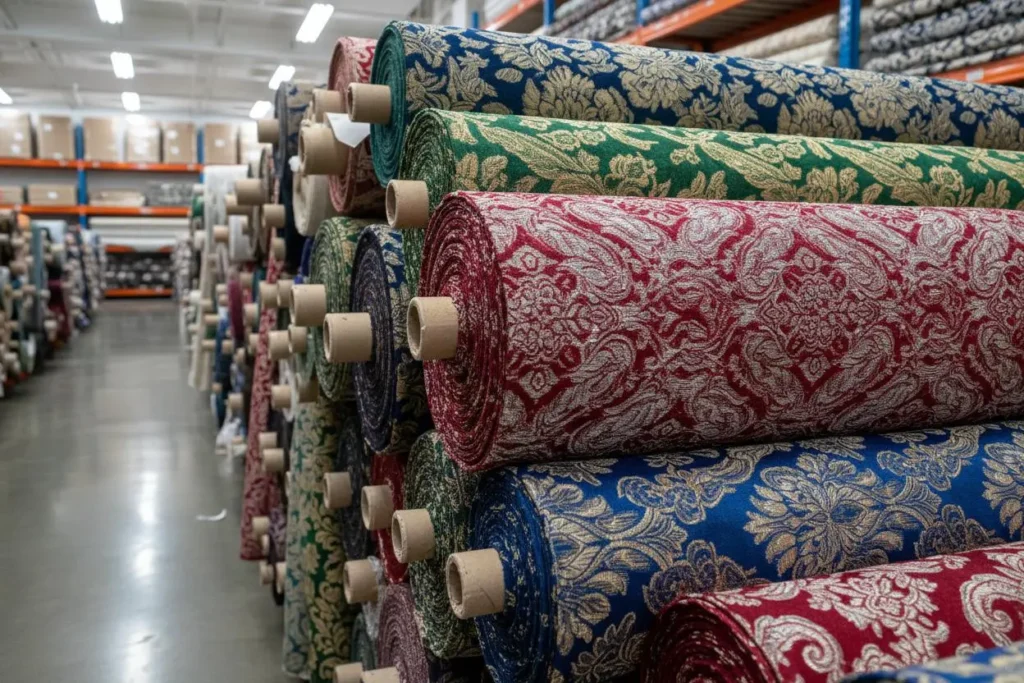
What Is Polyester Jacquard Fabric?
How Jacquard Differs from Printed Fabric
Why Polyester Works Well for Bulk Production
How Is Polyester Jacquard Fabric Made?
The technique goes back to the early nineteenth century, when Joseph Marie Jacquard introduced a loom attachment that used punched cards to control individual threads. Modern mills use computerised looms that read digital design files, so complex patterns can be repeated exactly. The process begins with yarn selection and warping, followed by weaving on the jacquard loom. Most cloth is woven, though knitted jacquard is also made for stretch garments.
Finishing decides how the cloth looks and feels in the end. It may be dyed as a full piece, or woven from pre-dyed yarns to create two-tone and multicolour effects. Shade control at this stage is critical for repeat orders, and you can see the colour range a mill can manage in these dyed fabrics. Heat setting, softening and calendering then stabilise the dimensions and improve the hand feel.Key Features That Matter to Buyers
Durability is the first strength. Because polyester jacquard fabric resists abrasion and holds its colour under light and washing, finished products keep their appearance for longer, which means fewer complaints and returns for your own customers. The weave also adds body and a structured drape that can be tuned through yarn thickness and density.
Care is simple, which helps retail buyers. A gentle wash works well, and ironing on the reverse side at low heat protects the pattern and avoids shine marks. Consistent width and low shrinkage also make cutting and stitching easier on production lines.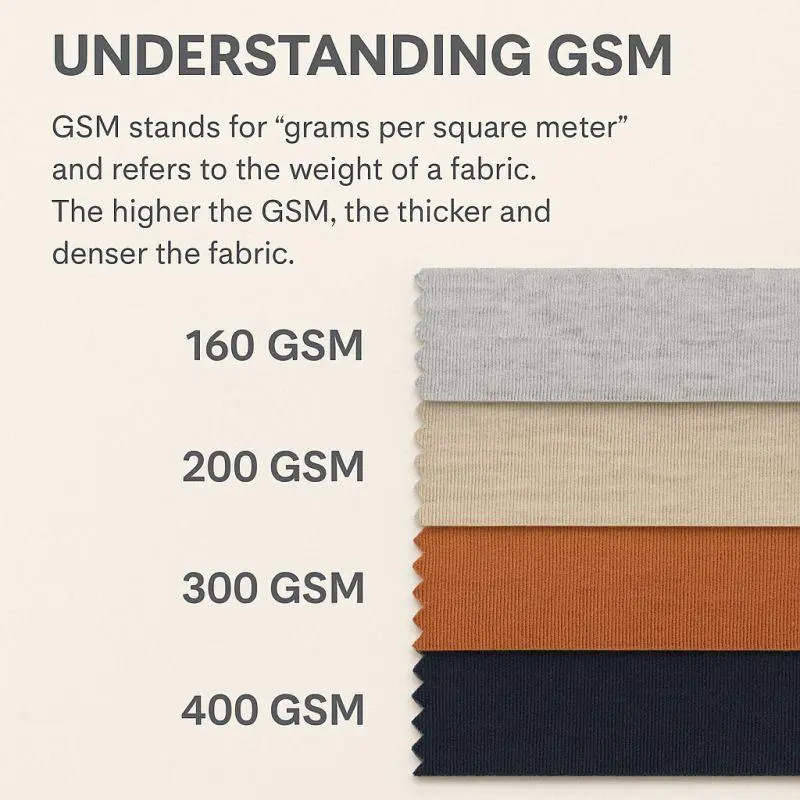
Advantages and Limitations for Bulk Buyers
The main advantages are an attractive price per metre, long life, a wide design variety and low maintenance. Once a design is programmed, a mill can reproduce it again and again, which suits repeat orders and private-label programmes.
There are limits as well. Polyester is less breathable than cotton or viscose, so heavy cloth can feel warm in hot climates, and it may gather static. Very intricate designs can also raise the cost because they need slower looms. Matching the weight and blend to the climate and end product solves most of these concerns.Where Is Polyester Jacquard Fabric Used in Business?
Apparel, Ethnic Wear and Fashion Production
Garment manufacturers use jacquard for dresses, blazers, jackets, blouses and kurtis, while ethnic wear brands rely on it for sarees, dupattas and festive outfits. The raised pattern adds richness without expensive embroidery, which keeps the cost of the finished product in check. It is also popular in lehenga kali fabrics, where structured panels need pattern depth and a stable drape, and in dupattas and lengha sets that are produced in volume for wedding and festive seasons.
Home Furnishing, Hospitality and Commercial Use
Types of Woven Jacquard Fabric
Woven jacquard fabric comes in several styles. Floral and traditional patterns suit festive wear and classic interiors, while geometric and abstract designs work for modern homes and contemporary fashion. Metallic or lurex jacquard adds a shimmering thread for evening wear and decorative pieces, and stretch jacquard includes elastane for fitted garments. Blended versions combine polyester with viscose or cotton to improve softness and breathability, and our range of other blended fabrics shows how a change in yarn changes the look and hand feel.
How to Choose the Right Polyester Jacquard Fabric for Bulk Orders
Key Factors to Check Before Placing an Order
Start with the end use, then confirm the specifications that follow from it. A short checklist helps keep the brief clear:
- GSM and thickness suited to the product
- Pattern clarity, repeat size and weave density
- Colourfastness to washing, rubbing and light
- Usable width, shrinkage and lot-to-lot shade consistency
Common Sourcing Mistakes to Avoid
How to Evaluate a Jacquard Fabric Supplier
Quality checks begin with your hands. Good cloth feels smooth yet firm, the raised pattern has crisp edges and the density looks even when held to the light. The reverse side should be free of pulled threads and broken floats. A washed swatch will quickly show colour bleeding and shrinkage.
The source matters just as much as the cloth. A reliable polyester jacquard fabric manufacturer will share swatches, clear specifications such as GSM and width, and a track record of consistent lots. A trustworthy jacquard fabric supplier will also be open about certifications, minimum order quantities, production capacity and dispatch timelines, and will answer technical questions without hesitation. A look at a mill’s certifications and client base is a practical way to judge reliability before ordering.
Jacquard vs. Other Fabrics
Is Jacquard Fabric Sustainable?
Conclusion
Polyester jacquard fabric gives businesses lasting woven patterns, easy care and a competitive cost, which is why it appears in everything from sarees and dupattas to upholstery and hotel linen. When you define your use case, check GSM, colourfastness and lot consistency, and work with a supplier who shares samples and specifications openly, bulk sourcing becomes far more predictable. To discuss your requirements, request swatches or ask for a quote, connect with Sundersizer and our team will help you find the right fabric for your range.