
Table of Contents
Introduction
What is Georgette Fabric?
Key Characteristics of Georgette
Types of Georgette Fabric
Why Ahmedabad is a Hub for Georgette Fabric Manufacturing
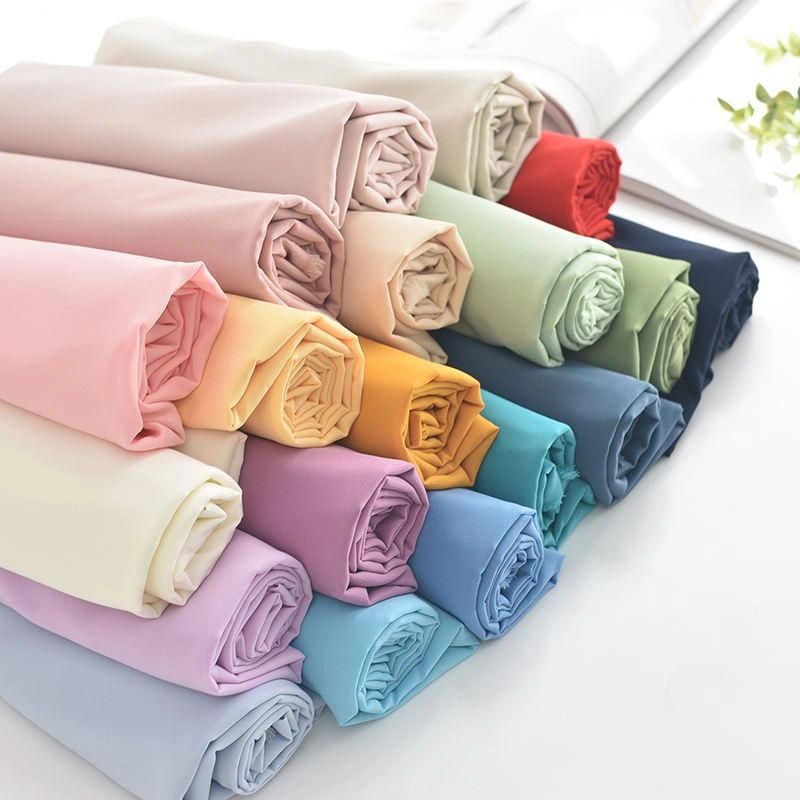
Ahmedabad’s rise as a textile powerhouse did not happen overnight. The city has been home to spinning and weaving mills for well over a century, and that legacy has translated into a deep pool of skilled labour, established supply chains, and manufacturing infrastructure that few other regions can match. When you work with a georgette fabric manufacturer based in Ahmedabad, you are tapping into an ecosystem where yarn suppliers, dyeing units, printing houses, and finishing facilities are all located within close proximity to one another, which shortens production timelines considerably.
This concentration of resources also means pricing tends to be more competitive than in regions where materials or processes need to be sourced from elsewhere. Gujarat’s broader textile policy support, along with the state’s strong export infrastructure through ports and logistics hubs, has further strengthened Ahmedabad’s position as a sourcing destination for both domestic buyers and international importers. Many manufacturers in the city have decades of hands-on production experience, which shows in the consistency of weave quality and finishing that buyers receive order after order.
Applications of Georgette Fabric
Georgette’s versatility is one of the biggest reasons it remains in constant demand. In traditional Indian wear, it is a staple choice for sarees and dupattas because of how gracefully it falls and how well it takes embellishments like embroidery, sequins, and stone work without becoming too heavy to wear comfortably. In western fashion, georgette is frequently used for flowing dresses, blouses, and layered skirts, where its lightweight nature adds movement to the garment without sacrificing structure.
Beyond apparel, georgette also finds use in home furnishings such as sheer curtains and decorative drapes, where its translucent quality allows soft light to filter through a room. Scarves and stoles made from georgette are another popular category, particularly because the fabric can be printed with detailed patterns while still remaining breathable. This wide range of applications is exactly why buyers across categories continue to look for a dependable georgette fabric manufacturer rather than settling for inconsistent, one-off suppliers. It also explains why a single georgette fabric manufacturer often ends up serving clients across completely different product categories, from bridal wear brands to home décor businesses.
How to Choose the Right Georgette Fabric Manufacturer
Quality Standards and Weave Consistency
MOQ, Customisation, and Certifications
Minimum order quantities vary significantly between manufacturers, and it is worth clarifying this upfront, especially if you are a smaller boutique or a new brand testing the market. Many established units also offer customisation in terms of dyeing, digital printing, and embroidery, which can be a major advantage if you want exclusive designs rather than generic stock fabric. Checking for relevant quality certifications and asking about the manufacturer’s export history can also give you confidence in their production standards, particularly if you plan to source in significant volume.
Before finalising an order, it helps to run through a quick checklist:
- Confirm GSM and fabric composition match your requirement
- Ask for physical swatches from a recent production batch, not old catalogue samples
- Clarify MOQ, lead time, and payment terms in writing
- Check if dyeing, printing, or embroidery customisation is available in-house
Georgette vs Other Fabrics
Trends in Georgette Fabric for 2026
Fabric preferences shift each season, and staying updated helps buyers plan collections that meet current demand. This year, muted pastel tones alongside deep jewel shades like emerald and wine are seeing strong interest, particularly in occasion wear. Digital prints featuring florals and abstract geometric patterns continue to dominate over traditional block prints, largely because digital printing allows for sharper detail and faster turnaround.
Sustainability is also becoming a bigger conversation in fabric sourcing. Buyers are increasingly asking about eco-friendly dyeing processes and recycled yarn options, and manufacturers who can offer these alternatives are seeing growing demand from brands that want to market their products as more environmentally conscious. A forward-looking georgette fabric manufacturer in India is likely to already be adapting production lines to accommodate these shifting buyer expectations.